

For businesses engaged in global trade, international shipping is a crucial but often costly element of the supply chain. Rising fuel prices, fluctuating tariffs, and unpredictable fees can make managing shipping expenses a challenging task. However, optimizing these costs is essential to maintaining profitability and ensuring competitive pricing for your customers. By understanding the key factors that influence shipping rates and implementing strategic measures, businesses can significantly reduce their international shipping costs. In this guide, we will explore practical tips and techniques to help you streamline your logistics, negotiate better rates, and ultimately save on shipping expenses while still ensuring efficient delivery.
What Affects Shipping Rates: Weight, Distance, and Freight Type
Weight and Volume of the Shipment
he size and weight of the goods being shipped directly affect the pricing. Heavier and bulkier items typically cost more to transport, as they require more space and fuel. Freight carriers often use dimensional weight (a pricing technique based on the package’s size rather than its actual weight) to determine rates, particularly for lighter, oversized items.
Distance and Destination
The farther your shipment needs to travel, the higher the cost. Geographical distance between the origin and destination, the number of transit zones crossed, and the specific region (rural or urban) play a role in determining the final price. Additionally, shipping to countries with complex customs regulations or political instability may incur higher costs.
Choosing the Right Shipping Method: Air vs. Sea vs. Ground
Selecting the appropriate shipping method is one of the most crucial decisions when managing international logistics. Each method—air, sea, or ground—offers unique advantages and trade-offs, depending on factors like speed, cost, and the type of goods being transported. Here’s a breakdown of the three main shipping methods to help you choose the best one for your business:
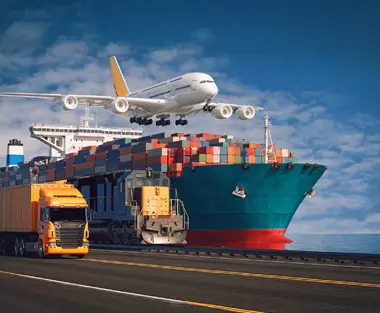
Air shipping is the fastest option, ideal for time-sensitive goods or perishable items like fresh produce or pharmaceuticals. Its speed comes at a higher cost, making it a more expensive choice compared to sea and ground transport. However, for long-distance international shipments, air freight is unparalleled in efficiency, especially when the goods are lightweight and high in value. Additionally, air shipping tends to offer better security and minimal handling, reducing the risk of damage or theft.
Sea shipping is best for transporting large quantities of goods, especially bulky or heavy items like machinery, vehicles, or furniture. While much slower than air shipping—often taking several weeks—sea freight is far more cost-effective for shipping large volumes. It’s the preferred option for businesses that need to move substantial loads without time constraints. The drawback, however, is the longer transit times and the potential for delays due to port congestion or weather conditions. Sea shipping also involves more documentation and regulatory processes, which can add to the complexity.
Ground shipping offers a middle ground, especially for domestic or regional deliveries. It’s generally more affordable than air freight and quicker than sea transport, making it ideal for short-distance shipping. Ground shipping is flexible, with options for small parcel delivery via courier services or larger freight using trucks. However, it can be slower over long distances compared to air shipping, and its cost can increase if the goods need to be shipped across borders or through regions with poor infrastructure.
Ultimately, the choice between air, sea, and ground shipping depends on your specific needs. If speed is critical, air shipping is the best bet, but if cost and volume are the main considerations, sea shipping becomes more attractive. For more localized or regional needs, ground shipping strikes the right balance between cost and delivery time.
Choosing the Right Method for Your Business
To determine the best shipping method for your business, consider the following:
- Urgency of Delivery: If speed is critical, air freight may be your best option. For less time-sensitive shipments, sea or ground freight can provide substantial cost savings.
- Shipment Size and Weight: Large, heavy shipments are generally more cost-effective to ship by sea, while smaller and lighter packages can be sent via air.
- Budget: If minimizing costs is a priority, especially for bulk goods, sea freight offers the best rates. For shorter regional distances, ground freight may offer a good balance between cost and speed.
- Destination: Consider the geographical location of your destination. If it’s overseas, sea or air freight will be required. For regional shipments, ground freight might be the most practical solution.
By weighing these factors carefully, you can optimize your shipping method to align with your business needs and reduce international shipping costs.

Consolidating Shipments to Cut Costs
One of the most effective strategies for reducing international shipping costs is shipment consolidation. This process involves combining multiple smaller shipments into one larger, consolidated shipment, which helps businesses take advantage of lower shipping rates and minimize additional handling fees. Consolidation is particularly useful for businesses that regularly send out smaller quantities of goods or have shipments heading to the same destination. Here’s how it can help you cut costs:
Benefits of Shipment Consolidation
- Reduced Shipping Costs: When you consolidate shipments, you are essentially paying for one large shipment instead of several smaller ones. Most freight carriers offer discounted rates for larger shipments, as it is more efficient for them to transport a single bulk load than handle multiple smaller parcels.
- Lower Handling and Packaging Costs: Consolidating shipments minimizes the number of times goods need to be handled during transit. Fewer touchpoints mean fewer opportunities for damage and reduced costs associated with packaging and repackaging each smaller shipment.
- Minimized Customs Fees: By sending a consolidated shipment, you can reduce the amount of customs paperwork and inspection fees. Handling one large shipment instead of multiple smaller ones can streamline customs clearance, avoiding repetitive duties or taxes.
- Optimized Use of Container Space: Consolidation allows you to fully utilize the space in a shipping container or truck. Whether it’s ocean freight or ground transportation, maximizing the use of available space can lead to significant cost savings.
Types of Consolidation
- Full Container Load (FCL) vs. Less Than Container Load (LCL)
If your shipments are large enough to fill an entire container, FCL shipping is the most cost-effective option. For smaller shipments, LCL allows you to share container space with other businesses, which is still more affordable than shipping smaller packages individually.
- Consolidated Air Freight
While air freight is typically more expensive, businesses with small shipments can benefit from air freight consolidation, where multiple small packages are combined into a single shipment. This helps distribute the cost of air transport across multiple shippers, lowering costs for each.
Practical Tips for Effective Shipment Consolidation
- Plan Shipments in Advance: To make the most of consolidation, it’s important to plan ahead and group orders going to the same destination. Align your shipment schedules to send goods together, rather than in separate, smaller batches.
- Work with Freight Forwarders: Freight forwarders can help you consolidate shipments by grouping your goods with those from other businesses going to the same destination. Their expertise in logistics and network connections can ensure you get the most cost-effective shipping rates.
- Use Distribution Centers: If your business frequently ships to international markets, you may benefit from using distribution centers. Goods can be stored in a central location and then consolidated into larger shipments before being sent to their final destination.
When to Consider Shipment Consolidation
- Frequent Small Shipments: If your business often ships smaller quantities of goods, especially to the same destination, consolidating them into one larger shipment will significantly cut costs.
- Seasonal or Bulk Orders: For businesses with peak seasons or bulk orders, consolidating shipments in advance can help lower costs during high-demand periods when shipping rates typically increase.
Potential Challenges
While shipment consolidation offers many benefits, there are a few challenges to be aware of:
- Longer Delivery Times: Consolidation may increase the time it takes for goods to reach their destination, as shipments need to be grouped and organized before being sent out. It’s important to balance cost savings with customer expectations on delivery times.
- Coordination Efforts: Consolidation requires careful planning and coordination, especially if working with multiple suppliers or shipment destinations. Working with a logistics provider or freight forwarder can help manage this complexity.

Optimizing Packaging to Minimize Costs
Optimizing packaging is a key strategy for reducing international shipping costs, as the size, weight, and durability of your packaging directly affect shipping rates. Carriers often charge based on dimensional weight, which considers both the actual weight and the space a package occupies. By minimizing unnecessary packaging materials, using the right-sized boxes, and packing items more efficiently, businesses can reduce the overall size and weight of their shipments, leading to lower shipping fees. Lightweight yet durable packaging materials can help achieve this balance without compromising the protection of the goods.
In addition to reducing dimensional weight charges, proper packaging can also help avoid damage-related costs. When items are packed securely using protective materials, businesses can prevent costly damages during transit, which can lead to product replacements, returns, and additional shipping expenses. Packaging optimization includes using high-quality materials that provide sufficient cushioning, ensuring that the goods remain intact throughout the shipping process. This can be especially important for fragile or high-value items.
Another way to optimize packaging for cost reduction is through standardization and consolidation. Using uniform-sized boxes that are easier to stack and handle can help maximize container or pallet space, reducing the total number of shipments. Additionally, consolidating multiple items into a single package instead of sending them individually can lower overall shipping costs, particularly when the destination is the same. By standardizing packaging and focusing on space efficiency, businesses can take advantage of lower shipping rates and fewer fees associated with excess weight and volume.
Negotiating with Carriers for Better Shipping Rates
One of the most effective ways to reduce international shipping costs is by negotiating directly with carriers for better rates. Carriers are often open to providing discounts based on the volume and frequency of your shipments, so businesses that consistently ship large quantities or have long-term shipping needs are in a strong position to negotiate. Building a long-term relationship with a specific carrier can result in favorable contract terms, such as discounted rates, waived fees, or flexible payment schedules. To get the best deal, it’s essential to gather quotes from multiple carriers, understand market rates, and leverage your shipping volume as a bargaining tool.
In addition to volume discounts, businesses can explore service bundling and flexibility to improve their negotiating power. Offering flexibility on delivery times, shipment schedules, or choosing less urgent shipping options can lead to lower rates. Many carriers also provide additional services like warehousing, packaging, or customs brokerage, which can be bundled together for a comprehensive, cost-effective solution. By negotiating these services in combination, businesses can reduce costs across the entire logistics chain while maintaining the necessary level of service.
Leveraging Technology for Smarter Shipping Management
Utilizing technology in shipping management can significantly reduce costs and improve efficiency. Shipping software platforms allow businesses to compare carrier rates in real time, helping them choose the most cost-effective option for each shipment. These platforms often offer features like automated label creation, shipment tracking, and integration with e-commerce systems, which streamline logistics operations. By automating processes and making informed decisions based on real-time data, businesses can avoid overpaying for shipping services and reduce the risk of human error, which can lead to delays or additional fees.
Real-time shipment tracking is another powerful tool that technology provides, allowing businesses to monitor the status of their shipments throughout the transit process. This capability not only improves transparency but also helps avoid unexpected delays or disruptions that could lead to costly storage fees or penalties. Advanced tracking systems provide businesses with insights into transit times, delivery windows, and potential customs hold-ups, enabling them to take proactive measures when needed and ensure on-time deliveries.
Additionally, technology can optimize inventory and warehouse management by integrating systems that predict shipping needs based on sales patterns, seasonal trends, and market demand. This allows businesses to pre-plan shipments, consolidate orders more effectively, and reduce shipping frequency. It also ensures that products are stored strategically within warehouses for faster and more efficient dispatch. With the right technology in place, businesses can significantly enhance their shipping management processes, reduce costs, and improve overall operational efficiency.
Safe and fast cargo transportation.
We are always by your side to ensure that your cargo reaches its destination safely as quickly as possible.